Commercial remote sensing: The critical U.S. National Security Space imperative
Accelerating space-based intelligence — the most critical domain in modern warfare — at disruptive speed and economics.
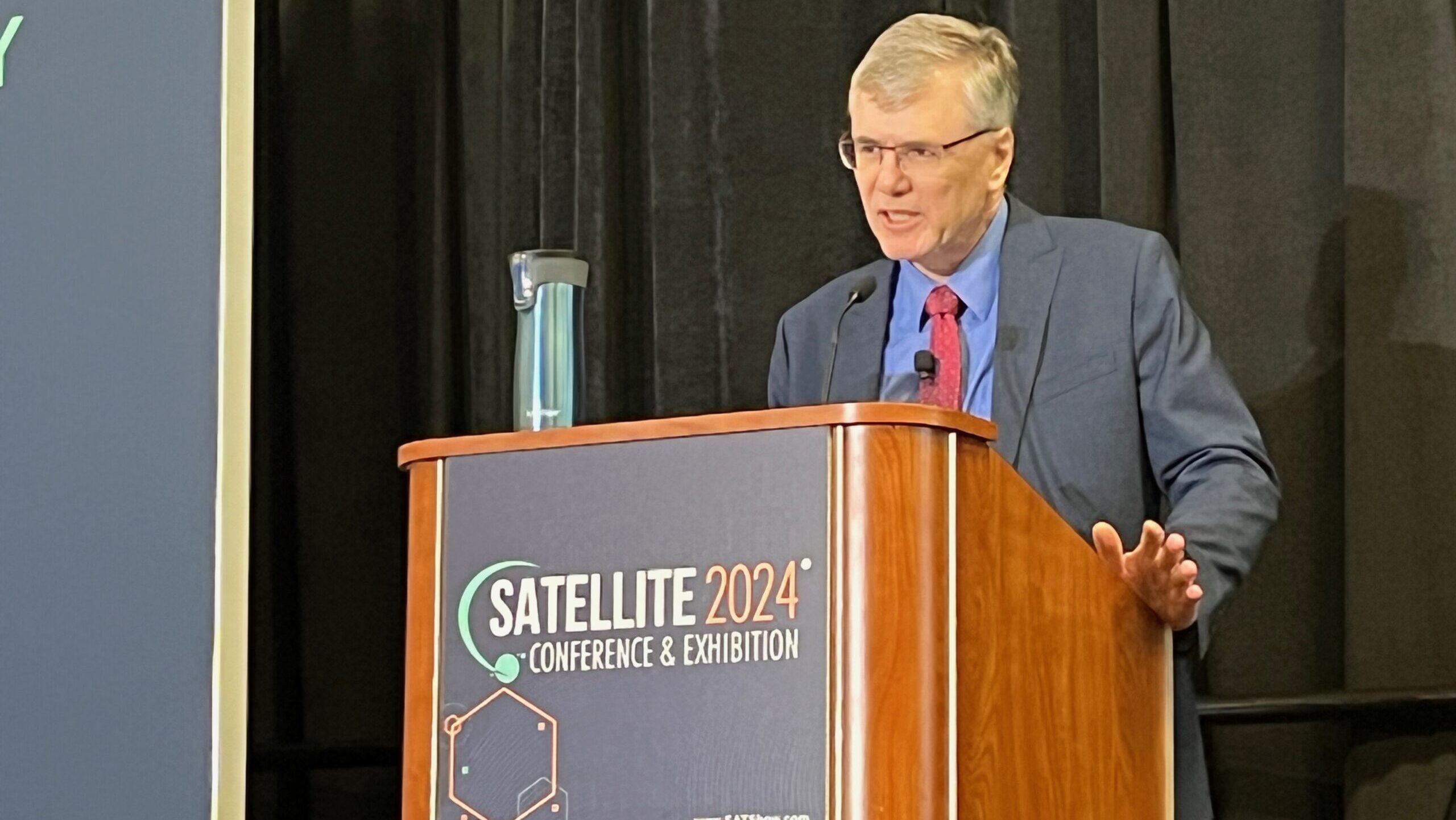
Meanwhile, Meink said the spy agency is sticking to what it sees as its primary lane in the interagency division of labor for commercial acquisition: "procuring pixels."
Explore how networked warfare, AI, and 3D-printed drones are reshaping US Indo-Pacific strategy.
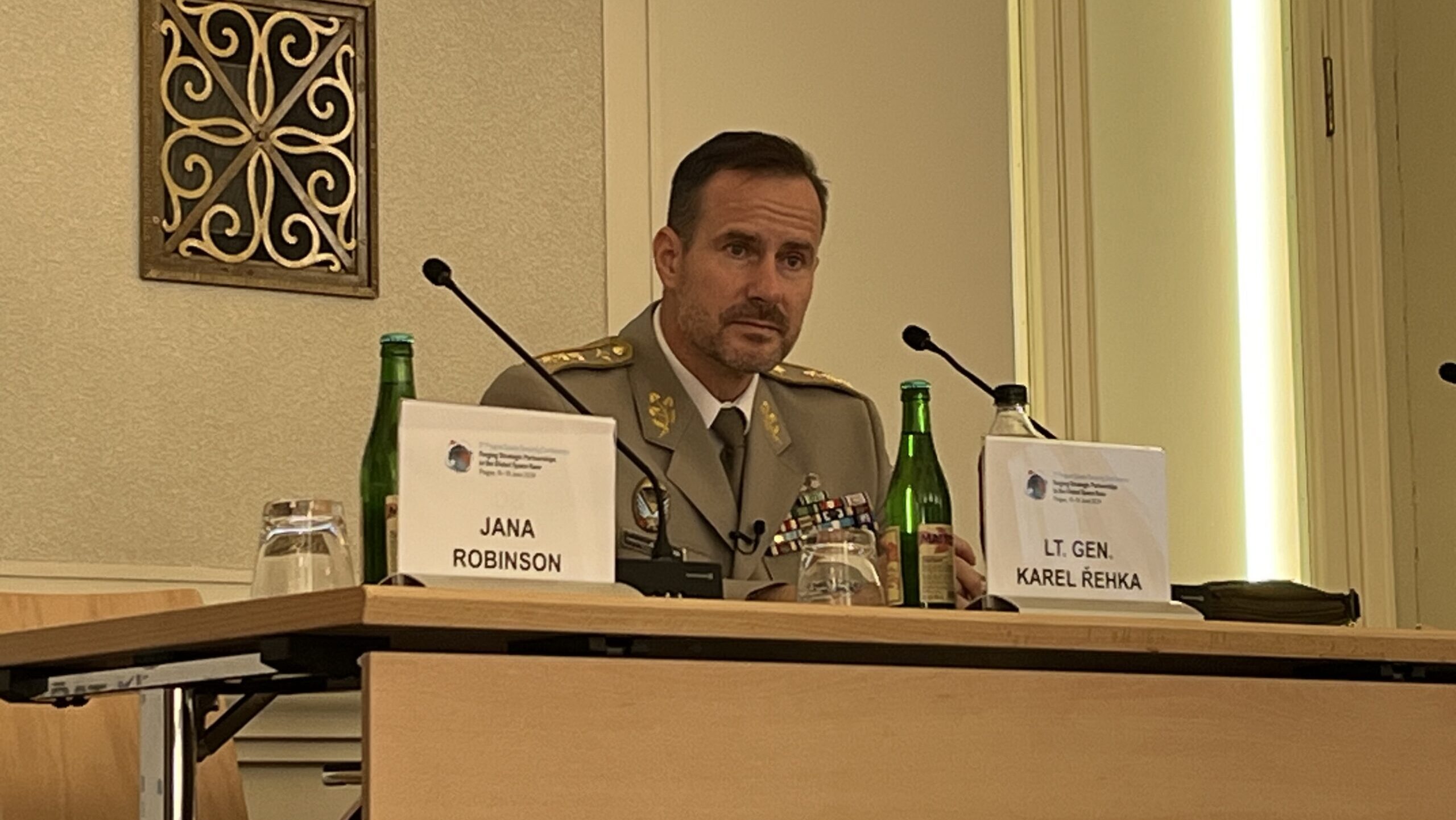
"In a small military with limited resources and a lot of tasks, we have to prioritize. I think we need to look for sustainable solutions as cost effective solutions," said Lt. Gen. Karel Rehka, chief of the General Staff of the Czech Armed Forces.
"Commercial analytics-as-a-service, or the purchase of analysis vice pixels, means that we can integrate commercial capabilities faster into our existing products and services (e.g., object detection)," an NGA spokesperson told Breaking Defense.
As well as leveraging space systems for its own operations, the Army intends to invest in capabilities to counter enemy space systems, the new vision document explains.
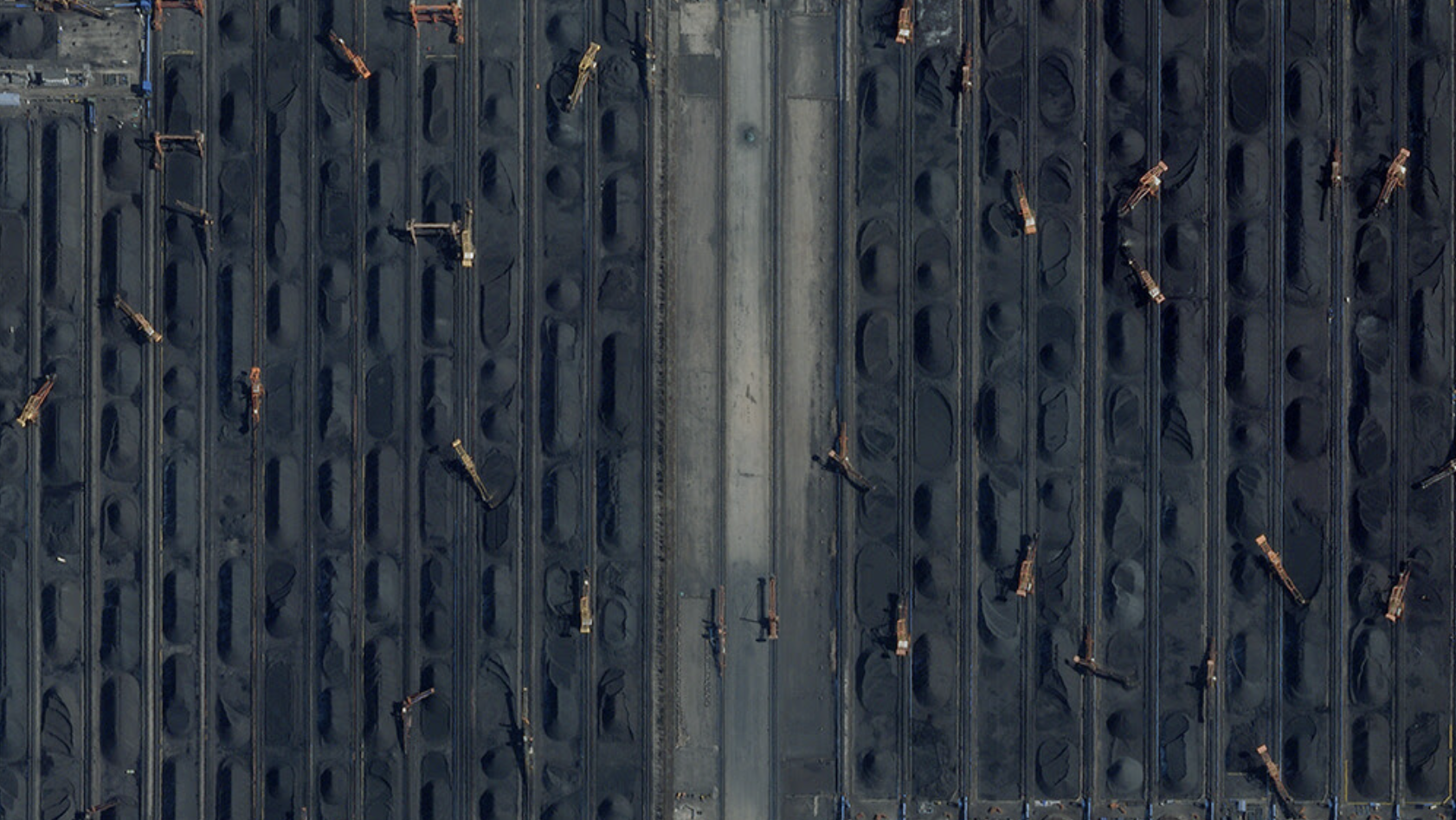
The five Strategic Commercial Enhancements (SCE) contracts will allow NRO to study imagery and techniques used by the companies, which include novel ways of processing images to increase their fidelity and resolution.
One of the questions the Army's ISR Task Force is grappling with regard to sensing is how best to "leverage the vast proliferation of commercial satellite providers," said task force director Andrew Evans.
While the NRO has never revealed exactly how many satellites it operates, historically its imaging and signals intelligence constellations have been made up of handfuls of very large birds.
One Maxar official told Breaking Defense today that Maxar's "mission focus" on NRO will not be affected by the split up.
When it comes to leveraging commercial space tech, one analyst said, "The old adage holds — show me your budget and I’ll show you your priorities."
The National Reconnaissance Office has "grown and evolved and recognized, just as well as we have, that they have responsibilities that are not traditional" with regard to intelligence, surveillance and reconnaissance from satellites, said Space Force vice chief Gen. DT Thompson.
"The capacity needed during times of crisis or conflict will exceed our steady state peacetime demand," said Col. Rich Kniseley, who leads Space Systems Commands Commercial Space Office.
The NRO is planning to award new contracts for commercial satellite imagery, perhaps including that of other satellites, the spy-sat agency's head of commercial operations, Pete Muend, said today.
While there is no formal agreement, NRO and the Space Force have reached an informal accord to each use commercial imagery the other has acquired, and are in discussions about a potential DoD-IC "marketplace" to ease sharing.